
 Chinese
DC-DC Converter Solution for Solar Energy System
In this era of rapid development of clean energy, solar photovoltaic power generation has become an important force driving the transformation of the energy structure. Whether it is a residential rooftop photovoltaic system or a large-scale ground power station, the stable and efficient conversion of solar energy into usable electrical energy is always the core of system design. In the entire energy conversion chain, the DC-DC converter plays a crucial role, determining not only the energy utilization efficiency of the photovoltaic system but also affecting its safety and reliability.
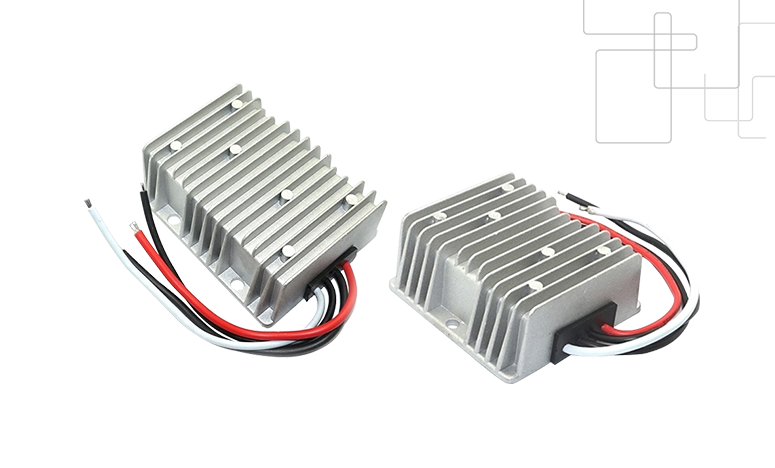
The Role of DC-DC Converters in Photovoltaic Systems
The voltage and current output of photovoltaic (PV) modules fluctuate with changes in environmental conditions such as light intensity and temperature, leading to unstable system output power. The core task of a DC-DC converter is to regulate and stabilize the output voltage, and, in conjunction with control algorithms, ensure the system always operates at its maximum power point (MPPT).
DDC-DC converters in photovoltaic systems primarily perform the following functions:
- Voltage Conversion and Matching: By boosting or bucking the voltage, the output voltage of the PV modules meets the input requirements of the inverter or energy storage device.
- Maximum Power Point Tracking (MPPT): Combined with algorithmic control, the PV modules can output maximum power under varying light and temperature conditions.
- Electrical Isolation and Safety Protection: Some isolated topologies can achieve input-output isolation through high-frequency transformers, improving system safety.
- Energy Flow Management: In systems with battery energy storage, the converter controls the inflow and outflow of energy to achieve efficient charging and discharging.
Common DC-DC Converter Topologies
Different types of photovoltaic (PV) systems have different performance requirements for converters, therefore, the topologies of DC-DC converters also vary. Several common topologies are as follows:
Non-isolated Boost DC-DC Converter
This is the most common DC-DC structure in PV systems, mainly used when the output voltage of the PV modules is low, while the inverter or DC bus voltage is high. By controlling the duty cycle of the switching transistors, the Boost circuit can boost the DC voltage of the PV modules to the required system level, ensuring the normal operation of the inverter or energy storage device. It is widely used in distributed grid-connected systems.
Non-isolated Buck DC-DC Converter
When the output voltage of the PV array is higher than the operating voltage of the load or energy storage device, a Buck-type DC-DC converter is usually used. This topology can stably convert high voltage to the required lower voltage and is often used in off-grid PV systems or energy storage charging stages.
Non-isolated Buck-Boost DC-DC Converter
The Buck-Boost topology combines the functions of boost and buck, maintaining stable output even under conditions of large variations in sunlight and wide input voltage fluctuations. This type of converter is suitable for scenarios requiring stable photovoltaic power generation but with frequently changing operating environments, such as photovoltaic streetlights and portable photovoltaic power supplies.
Isolated DC-DC Converter
Isolated DC-DC converters achieve electrical isolation between input and output through high-frequency transformers, enhancing system safety and anti-interference capabilities. This topology is suitable for photovoltaic systems with high safety standards or requiring multiple independent power outputs, such as energy storage inverter systems and communication base station power supplies.
MPPT Control Strategy and System Optimization
In photovoltaic systems, DC-DC converters are typically used in close conjunction with MPPT (Maximum Power Point Tracking) algorithms to ensure that photovoltaic modules maintain the highest energy output efficiency under varying light and temperature conditions. Common MPPT algorithms include Perturbation and Observation (P&O), Incremental Conductivity (IncCond), and intelligent control algorithms. P&O determines the maximum power point by making small voltage adjustments and observing the direction of power change; it is simple in structure and easy to implement. Incremental Conductivity determines the direction of power increase or decrease by calculating the rate of change of conductance, providing more precise control. Intelligent algorithms, such as fuzzy logic control or neural network algorithms, can adaptively adjust according to the external environment, achieving faster and more accurate dynamic tracking. Overall, high-performance DC-DC converters not only rely on excellent hardware design but also require integration with advanced control algorithms and stable feedback systems to achieve efficient energy conversion and continuous optimization of photovoltaic systems.
DC-DC Solutions for Different Photovoltaic Systems
- Grid-connected Photovoltaic Systems: The main task of grid-connected systems is to efficiently convert the DC power generated by photovoltaic modules into stable AC power for grid connection. These systems typically use Boost converters to ensure the inverter input voltage remains within a stable range, thus achieving efficient energy transfer. Simultaneously, each string of photovoltaic modules can be equipped with an independent DC-DC module, forming distributed MPPT (Maximum Power Point Tracking) control, effectively overcoming problems such as uneven sunlight and module aging, improving overall power generation efficiency and system reliability.
- 2. Off-grid Photovoltaic Systems: Off-grid systems are typically equipped with energy storage batteries for continuous power supply at night or when sunlight is insufficient. Therefore, they require higher energy management capabilities from the DC-DC converter. These systems often use bidirectional converters, which can transfer energy to the battery for charging when sunlight is abundant, and release battery energy for load use when sunlight is insufficient. Simultaneously, the converter supports SOC (State of Charge) monitoring and automatic energy distribution functions, achieving intelligent charge and discharge control, extending battery life and improving system stability.
- 3. Photovoltaic + Energy Storage Hybrid System: In applications integrating photovoltaic (PV) and energy storage technologies, the system typically employs a multi-port DC-DC converter to achieve efficient energy flow between PV, energy storage devices, and the load. This type of converter can flexibly manage the energy input and output of different power sources, supports multiple operating modes such as charging, discharging, grid-connected and off-grid switching modes, and can automatically adjust its operating strategy according to changes in sunlight and load. Through intelligent energy management and rapid response control, the hybrid system not only improves energy utilization but also significantly enhances system flexibility and overall operating efficiency.
Conclusion
The DC-DC converter is an indispensable core component in a photovoltaic system. It is responsible not only for voltage regulation and energy optimization but also for important tasks such as system protection. Through reasonable topology design and intelligent control strategies, not only can photovoltaic power generation efficiency be improved, but system lifespan can also be extended and operational safety enhanced. With the continuous development of technology and the diversification of application scenarios, DC-DC converter solutions will play an increasingly important role in future photovoltaic energy systems, contributing to the efficient utilization and sustainable development of green energy.