DC-DC Converter Efficiency: Definition, Importance & Selection Tips
In electronic device design, industrial control, automotive electronics, and even daily portable devices, DC-DC converter are indispensable core components. We often hear statements like "This DC-DC converter has an efficiency of up to 95%" and "Prioritize efficiency when choosing a DC-DC converter", but many people do not have a clear understanding of the specific meaning of "efficiency" and why it is so crucial. Today, we will thoroughly explain the efficiency of DC-DC converter in one go, from definition to practical impact, full of practical information that both electronic beginners and industry practitioners can understand and apply.
1. What exactly is the efficiency of a DC-DC converter?
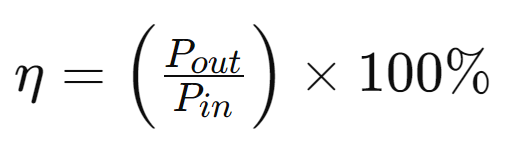
In fact, the definition of DC-DC converter efficiency is very simple. The core is the ratio of "effectively used electrical energy" to "total input electrical energy", which can be intuitively expressed by the formula:
Among them, Pin is the total input power absorbed by the DC-DC converter from the front-end power supply (such as batteries, adapters, industrial buses); Pout is the effective power actually output to the load (such as chips, sensors, motors) after the converter performs voltage conversion.
Here is a key point: the difference between input power and output power does not disappear out of thin air, but is all wasted in the form of "heat". In other words, the lower the efficiency, the more electrical energy is wasted, and the more heat is generated.
Let's take the most common example to help you understand quickly: Suppose the input power of a DC-DC converter is 10W and the output power is 8.5W, then its efficiency is 85%. This means that 1.5W of electrical energy is not used and is all converted into heat and dissipated——this is why some low-efficiency DC-DC converter modules get significantly hot during operation.
A supplementary note: The efficiency of a DC-DC converter is not fixed; it is affected by factors such as input voltage, output voltage, load current, and operating temperature. The "efficiency value" we usually refer to generally refers to its maximum efficiency (peak efficiency) under rated operating conditions.
2. Why is higher DC-DC converter efficiency more important?
Many people prioritize parameters such as input/output voltage and current when selecting models, but ignore efficiency. In fact, efficiency directly affects the battery life, stability, volume, and service life of the device. Especially in scenarios such as industry, automotive, and portable devices, high-efficiency DC-DC converters can even determine the core competitiveness of the product. Specifically, there are 5 key reasons:
1. Higher efficiency means longer device battery life (the "lifeline" of battery-powered devices)
For battery-powered devices, such as drones, handheld instruments, portable sensors, and smartphones, the efficiency of the DC-DC converter directly determines the utilization rate of the battery. The higher the efficiency, the less useless electrical energy is "stolen" from the battery, and more electrical energy can be actually supplied to the load for operation.
Take a practical scenario comparison: The same 1000mAh battery may only allow the device to work for 5 hours when driving a DC-DC converter with 85% efficiency; while replacing it with a DC-DC converter with 95% efficiency, the battery life can be directly increased to about 6.5 hours——a seemingly 10% increase in efficiency brings a significant improvement in battery life. This is why high-end portable devices always prioritize high-efficiency DC-DC converter modules.
2. Higher efficiency means less heat generation, making the device more stable and reliable
As mentioned earlier, the core cost of low efficiency is heat generation. The service life and stability of electronic components are extremely sensitive to temperature——excessively high temperatures will accelerate the aging of components such as capacitors, inductors, and chips, and may even cause component damage and module burnout.
When a low-efficiency DC-DC converter works, a lot of heat accumulates, which not only makes the module itself hot, but also affects the work of other surrounding components, easily leading to problems such as device restart, crash, and high-temperature protection; while a high-efficiency DC-DC converter generates very little heat and can work stably for a long time without additional heat dissipation measures, and the overall reliability of the device will be greatly improved.
For example, in industrial control scenarios, DC-DC converter modules are usually installed in closed chassis with poor heat dissipation conditions. At this time, the advantage of high efficiency is particularly obvious, which can effectively avoid industrial control equipment failures caused by overheating.
3. Higher efficiency means smaller device size, adapting to more scenarios
Due to severe heat generation, low-efficiency DC-DC converters need additional heat sinks, cooling fans, or even larger case sizes to solve heat dissipation problems——this will lead to an increase in the size and weight of the entire power module, making it unable to adapt to the needs of miniaturized and ultra-thin devices.
In contrast, high-efficiency DC-DC converters generate almost no excess heat, and can achieve miniaturization, board-mounted installation, and even integration into chips without complex heat dissipation designs. This is crucial for products with strict requirements on size and weight, such as automotive electronics, small sensors, and drones——a smaller power module can free up more space for other core components, improving the product's integration and competitiveness.
4. Higher efficiency means compliance with energy-saving standards and lower operating costs
Nowadays, there are strict energy efficiency standards and low standby power consumption requirements for industrial equipment, communication power supplies, charging piles, and automotive electrical appliances. High-efficiency DC-DC converters can effectively reduce the overall power consumption of the device, not only helping the product pass relevant energy efficiency certifications (such as energy efficiency levels in the industrial field and energy-saving standards in the automotive field), but also reducing energy consumption costs in long-term use.
For example, large data centers and industrial production lines use a large number of DC-DC converters. A 1% increase in the efficiency of each module can save a lot of electricity bills in the long run; for ordinary consumers, high-efficiency devices can also indirectly reduce operating costs and are more in line with the trend of green energy conservation.
5. Higher efficiency means stronger load capacity, avoiding "false labeling" problems
Many people think that the load capacity of a DC-DC converter is only related to the rated current, but in fact, efficiency also affects the actual load capacity. For DC-DC converters of the same size and same input power, the higher the efficiency, the less power is wasted, and the more power can be actually output to the load; on the contrary, most of the power of low-efficiency DC-DC converters is wasted as heat, so the actual load capacity will be greatly reduced, and even "false labeling" may occur——it seems that the rated current meets the standard, but it cannot drive high-power loads.
For example, in an automotive scenario, a 12V to 5V DC-DC converter module with 80% efficiency can only output 8W when inputting 10W, which may not drive a high-power car charger; while with 95% efficiency, it can output 9.5W, with significantly stronger load capacity and better user experience.
3. Summary: High efficiency is the core competitiveness of DC-DC converters
In short, the efficiency of a DC-DC converter is the "utilization rate of electrical energy"——the higher the efficiency, the less electrical energy is wasted, the less heat is generated, and the better the device's battery life, stability, volume, and load capacity. For electronic device design, choosing a
high-efficiency DC-DC converter can not only improve the core performance of the product, but also reduce design difficulty and operating costs, and even help the product stand out in the fierce market competition.
Finally, a reminder: When selecting a model, in addition to focusing on peak efficiency, you should also combine the actual operating conditions (such as load current range, input/output voltage) and choose a DC-DC converter module with stable efficiency under common operating conditions to truly exert the advantages of high efficiency.

 Chinese